How the Fortune Dragon Bonus Works in 2026: A US Player's Guide to Features, Volatility, RTP and Responsible Play
How the Fortune Dragon Bonus Works in 2026: A US Player's Guide to Features, Volatility, RTP and Responsible Play
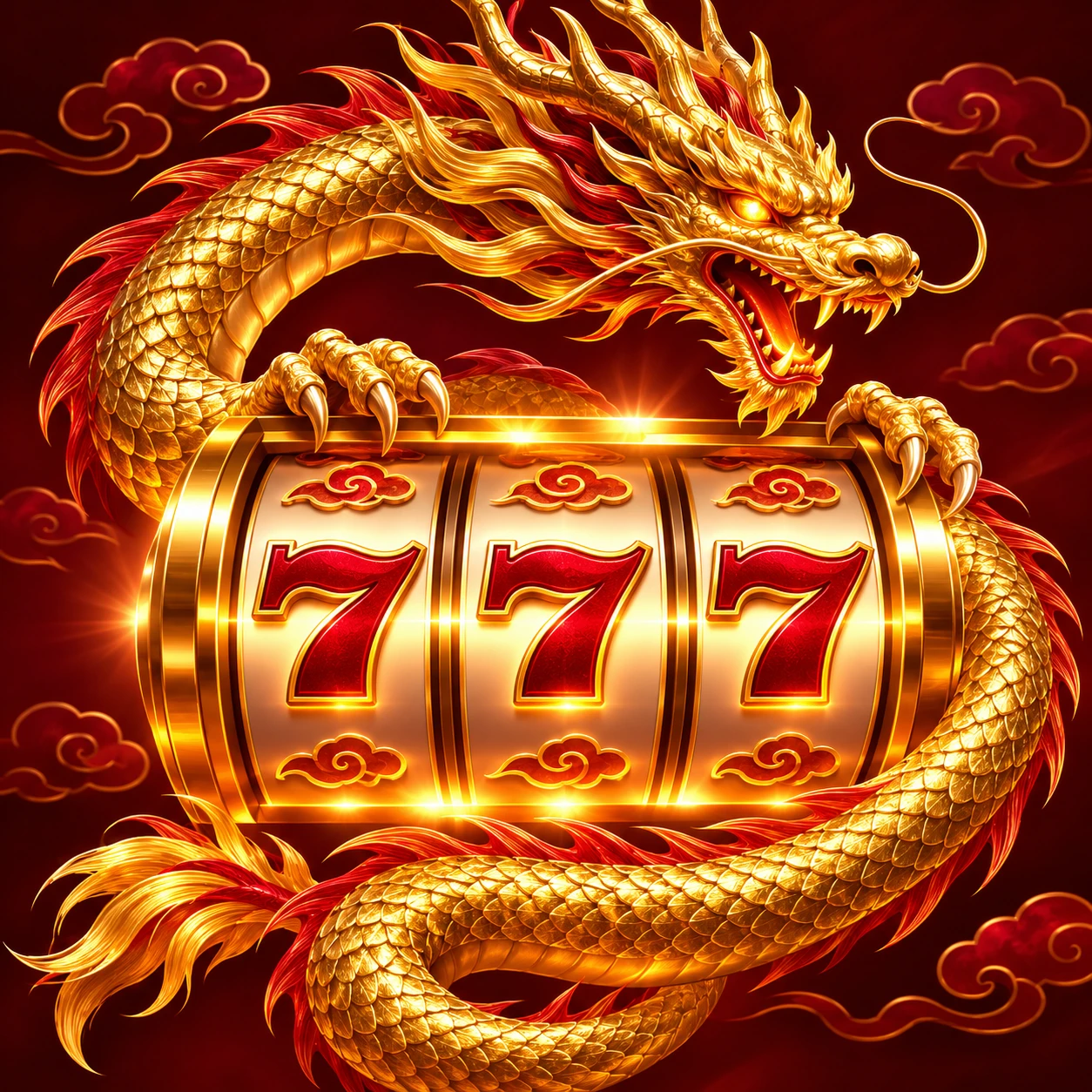
One question about this slot comes up more than any other: what actually happens when the bonus triggers, and how much can it change a session? I'll cover the features, volatility, RTP and responsible play as they stand in 2026. Can you play it for real money? That depends on your state's laws and on the operator you use, so check both before you deposit. Everything here is informational. Nothing in it promises wins, and no slot guarantees a result over a short session.
What Fortune Dragon Is and Where the Bonus Fits
Fortune Dragon is a video slot from PG Soft. It has an Asian dragon theme, bright colors and a compact reel grid that works well on phones. Bet sizes usually start very low and climb to a higher cap, but the operator sets the exact range, so read it on the game screen before you spin. Any figure you see in a review, mine included, is only a starting point. Confirm it in the game itself.
The bonus mechanics sit on top of the base game. Regular spins pay through ordinary line wins, while the special features add wilds, multipliers or respins that can lift a payout well above the usual level. Once you see that split, the rest of this guide is much easier to follow.
Base Game vs. Bonus Rounds
In the base game you spin, symbols land, and line wins pay at the paytable values. Most of these wins are small, and plenty of them return less than the bet. Feature-triggered play is a different animal. The game changes the rules for a short stretch, and that's where the large payouts come from.
It's also why the slot feels streaky. Most of the variance lives in the feature, so you can grind through a pile of plain spins and then land one round that moves your balance a lot. Think of the base game as the price of admission. The feature is where the swing happens.
How the Fortune Dragon Bonus Works in 2026
The general flow is the same in most versions. A trigger condition is met, the feature starts, special symbols such as wilds or multipliers do their work, and the game adds up the payout under the paytable rules. To see how the bonus Fortune Dragon feature behaves in practice, you can try the game on the official page, then compare what you see with the in-game paytable.
That comparison matters. Operators can configure certain details, and developers occasionally update games, so the paytable and the info screen are the authority, not a blog post. If something I describe differs from what your screen shows, trust the screen. Every time.
Triggering the Feature
The feature starts when the required symbols or conditions appear during a spin, and the paytable states exactly which ones. Frequency is the part players overestimate. The developer may publish a rough hit rate, but a rate is an average over a huge number of spins. You could trigger the feature twice in ten spins, or not at all in several hundred.
So don't plan a session around 'it should hit soon.' The game has no memory, and each spin is independent.

Multipliers, Wilds and Maximum Win
- Wilds substitute for other symbols and can complete winning lines that would otherwise miss.
- Multipliers increase the value of a win, and stacking them is how the biggest results happen.
- Maximum win is a cap set by the developer, expressed as a multiple of your bet. Listings I've seen put it in the thousands of times the stake, but confirm the current figure in the game's help screen.
The cap is a ceiling, not a target. Reaching it is extremely rare, and your odds of getting near it are far lower than your odds of an ordinary bonus payout. Nice to know it exists, but don't budget around it.
Volatility and RTP Explained for Real Sessions
RTP (return to player) is the share of wagers a slot is designed to pay back over millions of spins. A 96% RTP means roughly $96 returned per $100 wagered across a very large sample. It says nothing certain about your next hour. Volatility describes how wins are distributed: low-volatility slots pay small amounts often, while high-volatility slots pay less often but can pay much more.
Fortune Dragon is generally described as a medium-to-high volatility game, with a published RTP in the mid-96% range. Operators can run different RTP versions of the same game, so check the info screen at your casino instead of trusting a number from a review.
A quick example helps. Say you play 200 spins at $1 each. On a 96% RTP, the average expectation might be a loss of around $4. But on a high-volatility slot, one session could end with you down $120 because the feature never showed up, and the next could finish up $150 after one strong round. Both are normal. The average only appears across a sample far larger than any one person plays.
What US Players Should Know Before Playing
Real-money online slots are legal only in a handful of states, such as New Jersey, Pennsylvania, Michigan and West Virginia, among others. In many other states, players use sweepstakes or social casinos, which work under different rules and often use virtual currencies. Look up your own state's current rules, because they change.
- Age: the minimum is 21 in most jurisdictions, and some sweepstakes sites set their own limits.
- Licensing: use only operators licensed by your state's gaming regulator, and find the license information on the site.
- Bonus terms: read the wagering requirements, game weighting (slots often count 100%, other games less) and expiry dates before accepting an offer.
- Two kinds of bonus: the in-game bonus feature is part of the slot's math. A promotional casino bonus is a marketing offer with conditions attached. The two are unrelated.
On taxes, gambling winnings are generally taxable income in the US, and operators may issue a Form W-2G above certain thresholds. Those thresholds and the loss-deduction rules have changed recently, so keep your own records and ask a tax professional about your situation. I'm not one, and this isn't tax advice.
Responsible Play and Common Mistakes
A slot built around a bonus feature can pull you into waiting for the big round. That's exactly when limits help most.
Common Mistakes to Avoid
- Chasing after losses. Spending more to win back what you lost usually deepens the loss.
- Raising bets to 'force' a trigger. A bigger stake doesn't make the feature more likely. It only makes the swings larger.
- Reading RTP as a short-term guarantee. It's a long-run average, not a promise for tonight.
- Ignoring promo terms. Wagering requirements can make a bonus much less valuable than it looks.

Setting Limits and Finding Help
Decide your budget and time limit before you start, and treat the budget as money already spent on entertainment. Use deposit limits in your account settings, take breaks between sessions, and use self-exclusion if gambling stops being fun. Licensed US operators are required to offer these tools.
If gambling is causing you stress or financial harm, call the National Problem Gambling Helpline at 1-800-GAMBLER, which is free and confidential. The National Council on Problem Gambling (NCPG) also lists support services and state resources.
Conclusion and Quick FAQ
The bonus drives most of this slot's volatility, RTP is a long-run figure rather than a session forecast, and your state's rules and your own limits come first. Check the paytable and info screen for the exact mechanics, RTP version and maximum win before you play.
Is the bonus guaranteed? No. It triggers by chance, and any stated frequency is an average.
Is the RTP the same everywhere? Not always. Operators can offer different versions, so check the info screen at your casino.
Can I play in every US state? No. Real-money play is legal only in some states, and others rely on sweepstakes or social casinos.
Play only within limits you set in advance. A practical next step is to open the game's paytable, write down the RTP and maximum win it shows, and set your deposit limit before the first spin.




 Images


